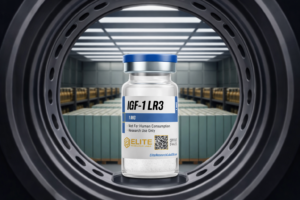
What Is IGF-1 LR3? Complete Research Peptide Guide (Structure, Benefits & Stability)
IGF-1 LR3 is a widely studied research peptide known for

Choosing high-quality research peptides is essential for ensuring accurate results, reproducibility, and reliable laboratory outcomes. Understanding key quality factors helps researchers avoid risks and improve experimental success.
Understanding what to look for when buying research peptides is essential for ensuring quality, consistency, and reliable experimental outcomes.
Not all research peptides are created equal, and differences in sourcing, testing, and handling can significantly impact research results.
Selecting the right peptide supplier is a critical step in maintaining data accuracy and experimental integrity.
Researchers must evaluate multiple factors before selecting a supplier, including quality standards, documentation, and transparency.
Explore our research-grade peptides

The accuracy of research outcomes depends heavily on the quality of the materials used. Poor-quality peptides can introduce variability, contamination, or degradation that affects results.
Low-quality peptides can lead to inconsistent data, failed experiments, and reduced research reliability.
Proper handling, storage, and sourcing all play a role in maintaining peptide integrity.
High-quality sourcing ensures better control over experimental variables and outcomes.
One of the most important indicators of peptide quality is the availability of Certificates of Analysis (COAs).
COAs provide batch-specific data on purity, composition, and testing methods, helping researchers verify that materials meet expected standards.
Reviewing COAs allows researchers to confirm peptide authenticity and testing accuracy before use.
View detailed COA reports and batch verification
Reliable suppliers provide transparent, accessible COAs for every batch, allowing researchers to validate product quality before use.
Purity plays a critical role in research accuracy. Higher purity peptides reduce the likelihood of unwanted variables affecting results.
Researchers should review peptide purity reports to understand:
Higher purity levels help ensure more controlled and precise experimental conditions.
Understanding these reports helps ensure that materials meet the necessary standards for controlled laboratory research.
Supplier Transparency and Sourcing Standards
Not all peptide suppliers operate with the same level of transparency. When evaluating suppliers, consider:
Transparent suppliers reduce the risk of unreliable or unverified peptide materials.
Suppliers that prioritize transparency help researchers make informed decisions and reduce the risk of unreliable materials.
At Elite Research Labs, transparency and quality verification are standard practices.
Quality does not stop at purchase. Proper storage and handling are essential for maintaining peptide stability.
Researchers should follow established storage protocols to ensure materials remain consistent over time.
Improper storage can degrade peptides and compromise research outcomes.
This includes:
Following proper handling practices helps preserve peptide integrity and extend usability.
Different peptides may require different considerations depending on their structure and intended research use.
Understanding peptide-specific requirements helps researchers select the most suitable compounds for their studies.
For example, compounds discussed in BPC-157 and TB-500 research overview are often evaluated differently based on their research applications and handling requirements.
Understanding these differences can help researchers choose the most appropriate materials for their studies.
Adding a checklist helps users quickly evaluate peptide quality and improves content usability (SEO + UX benefit).
Before purchasing, ensure:
This checklist simplifies decision-making for researchers and improves content clarity.
Check COAs, purity levels, supplier transparency, and storage guidelines.
COAs verify peptide purity, composition, and testing accuracy.
High-quality peptides ensure reliable, reproducible, and accurate data.
Knowing what to look for when buying research peptides allows researchers to minimize risk and improve the reliability of their work.
Focusing on quality indicators helps ensure consistent and accurate experimental outcomes.
By focusing on quality indicators such as COAs, purity reports, supplier transparency, and proper storage, researchers can ensure that their materials meet the standards required for accurate and reproducible results.
Explore our research-grade peptides and verified COA reports
Choosing a trusted supplier like Elite Research Labs supports long-term research success and data reliability.
IGF-1 LR3 is a widely studied research peptide known for

Research peptides can degrade over time, affecting their stability, purity,

Research peptide storage directly impacts stability, purity, and experimental accuracy.
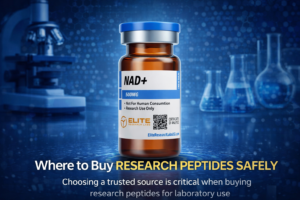
Choosing a reliable source for research peptides is essential to