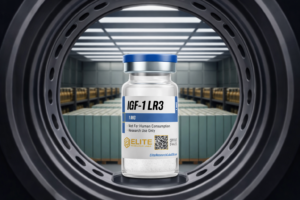
What Is IGF-1 LR3? Complete Research Peptide Guide (Structure, Benefits & Stability)
IGF-1 LR3 is a widely studied research peptide known for

GHK-Cu is a widely studied copper peptide in laboratory research, known for its role in peptide signaling, stability, and peptide-metal interactions. Understanding its structure and research applications helps ensure accurate and reproducible experimental outcomes.
In this GHK-Cu research guide, we explore the copper peptide GHK-Cu and how it is discussed within peptide research environments. Researchers studying peptide signaling and peptide-metal interactions often examine compounds like GHK-Cu when analyzing peptide behavior in laboratory models.
GHK-Cu is frequently referenced in peptide research due to its stability and interaction with metal ions in controlled laboratory settings.
For laboratories studying this compound further, Elite Research Labs provides COA-verified GHK-Cu research peptide designed specifically for laboratory research.
Explore our GHK-Cu research peptide product page

GHK-Cu is a copper peptide commonly referenced in peptide research discussions. Researchers studying peptide signaling often examine this compound when analyzing peptide structure and peptide interactions within laboratory environments.
This peptide is commonly used in experimental models to study molecular interactions and peptide behavior.
Peptides like GHK-Cu are frequently explored in experimental models focused on peptide signaling and biological peptide interactions.
View complete list of research peptides
GHK-Cu is a naturally occurring copper peptide composed of three amino acids. Within research environments, scientists frequently analyze this compound when studying peptide-metal interactions and peptide signaling pathways.
Its simple structure makes it a useful model for studying peptide stability and molecular binding processes.
Copper peptides are often referenced in laboratory discussions related to peptide stability and peptide structure.
Within peptide research communities, GHK-Cu is often discussed alongside other research peptides when examining peptide signaling pathways and peptide behavior in laboratory environments.
Researchers use GHK-Cu in controlled studies to observe how peptides interact within different experimental conditions.
When working with research peptides, laboratories frequently verify compound purity using Certificates of Analysis (COA).
COA verification ensures that peptides meet required purity standards and are suitable for laboratory research.
View detailed COA reports and batch verification
Verified purity helps reduce experimental variability and improves data reliability.
Proper storage is important when working with research peptides. Laboratories typically store lyophilized peptides in cool, dry environments before preparation.
Maintaining controlled storage conditions helps prevent peptide degradation and preserves structural integrity.
Maintaining appropriate storage conditions helps preserve peptide stability for laboratory research.
Avoiding moisture, heat exposure, and repeated freeze-thaw cycles is essential for maintaining peptide quality.
Peptide stability plays a key role in ensuring reliable research results.
Stable peptides allow researchers to generate consistent, accurate, and reproducible experimental data.
Unstable peptides may lead to:
Understanding stability helps researchers control variables and improve research accuracy.
GHK-Cu is studied in laboratory settings for peptide signaling and peptide-metal interaction research.
COA verifies peptide purity, composition, and testing results for reliable research use.
It should be stored in cool, dry conditions with minimal exposure to moisture and temperature fluctuations.
GHK-Cu continues to be widely discussed within peptide research communities as scientists explore peptide signaling and peptide interactions within laboratory environments.
Its consistent structure and research relevance make it an important compound in peptide studies.
For laboratories seeking verified research compounds, Elite Research Labs provides COA-verified research peptides designed specifically for laboratory use.
Explore our GHK-Cu research peptide and verified COA reports for accurate laboratory research
Choosing high-quality peptides supports better research outcomes and reduces experimental risks.
IGF-1 LR3 is a widely studied research peptide known for
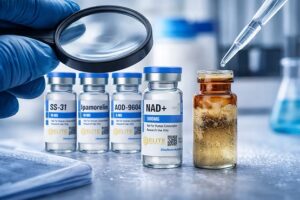
Research peptides can degrade over time, affecting their stability, purity,
Research peptide storage directly impacts stability, purity, and experimental accuracy.
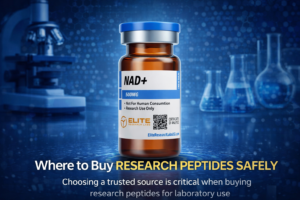
Choosing a reliable source for research peptides is essential to