
Explore recent developments in peptide science and how researchers are studying new applications in biomedical and pharmaceutical research.
FREE Shipping On All Orders Over $150
SHIPS WITHIN 24 HOURS • DISCREET U.S. FULFILLMENT
FREE Shipping On All Orders Over $150
SHIPS WITHIN 24 HOURS • DISCREET U.S. FULFILLMENT
An educational reference covering commonly studied research peptides, laboratory handling practices, purity verification, and analytical testing standards

Research peptides are short chains of amino acids studied for their biochemical signaling properties and interactions within biological systems. In laboratory environments, peptides are examined for their influence on cellular pathways, receptor activity, and molecular processes. Because peptides can interact with specific receptors and proteins, they are widely studied across molecular biology, biochemistry, and pharmaceutical research. Researchers use controlled laboratory methods to evaluate peptide stability, purity, and structural integrity before incorporating compounds into experimental models.
Research peptides are commonly studied in controlled laboratory environments to better understand biological processes and molecular interactions. Scientists use peptides to explore how cells communicate, respond to signals, and regulate various physiological systems.

Peptide purity is critical for maintaining experimental accuracy. Impurities, degradation products, or incomplete synthesis can influence biological outcomes and compromise research consistency. Analytical techniques such as high-performance liquid chromatography (HPLC) are commonly used to verify compound purity and composition before use in laboratory setting

A synthetic peptide studied for interactions with cellular repair pathways and angiogenesis-related signaling.

A synthetic peptide fragment studied for interactions with actin regulation and cellular migration pathways.

A peptide analogue studied for interaction with growth hormone releasing pathways.

A selective peptide studied for receptor-specific signaling interactions within endocrine research models.

A stabilized peptide analogue examined in endocrine and metabolic pathway research.
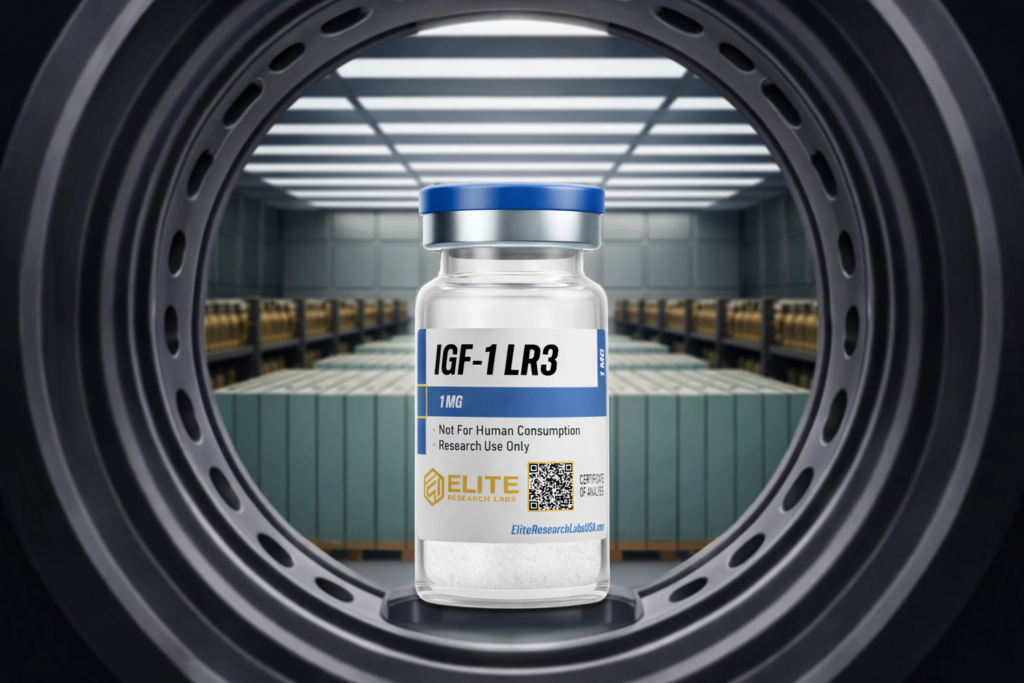
IGF-1 LR3 is a widely studied research peptide known for
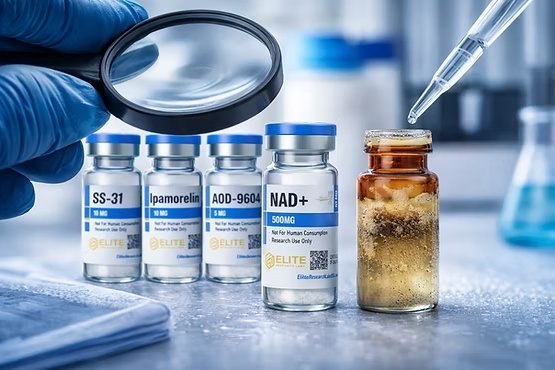
Research peptides can degrade over time, affecting their stability, purity,

Research peptide storage directly impacts stability, purity, and experimental accuracy.

Choosing a reliable source for research peptides is essential to
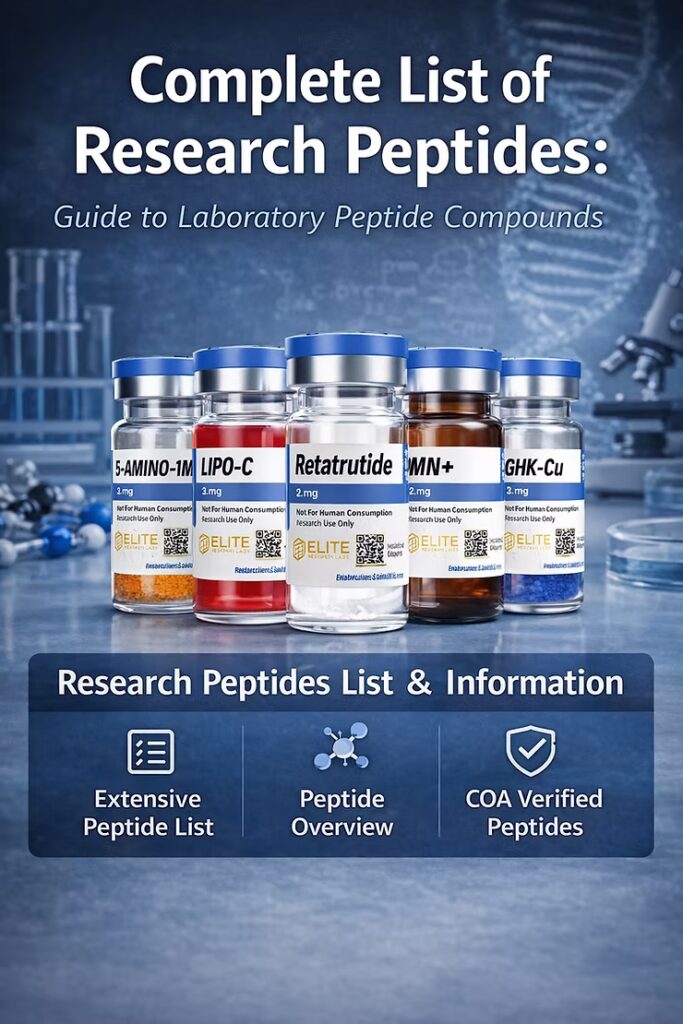
Choosing high-quality research peptides is essential for ensuring accurate results,

Proper storage of research peptides is essential for maintaining stability,
Analytical testing is an essential step in verifying peptide identity and purity. Independent laboratories commonly use methods such as HPLC and mass spectrometry to confirm compound composition and detect impurities. Researchers rely on Certificate of Analysis documentation to review batch-specific testing results before incorporating peptides into experimental work.
Proper storage conditions help maintain peptide stability and reduce degradation risks. Lyophilized peptides are commonly stored in controlled temperature environments to preserve structural integrity before reconstitution. The section should cover refrigeration, freeze-dried storage, light exposure, and handling considerations.
Research peptides are short chains of amino acids used primarily in scientific and laboratory studies. They help researchers understand how specific biological processes work at the molecular level.
Peptides are tested for purity using advanced analytical laboratory techniques to ensure their composition, structure, and quality meet research standards. The most common methods include:
A peptide COA (Certificate of Analysis) is an official laboratory document that verifies the identity, purity, and quality of a specific peptide batch. It confirms that the product has been tested and meets defined research specifications.
Batch verification ensures that each specific production lot of a peptide has been independently tested and meets established quality standards. Since peptides are synthesized in batches, small variations can occur during production. Verification helps confirm consistency, purity, and accuracy for every lot.
Explore additional educational resources and scientific insights related to peptide research, laboratory practices, and emerging developments in peptide science.
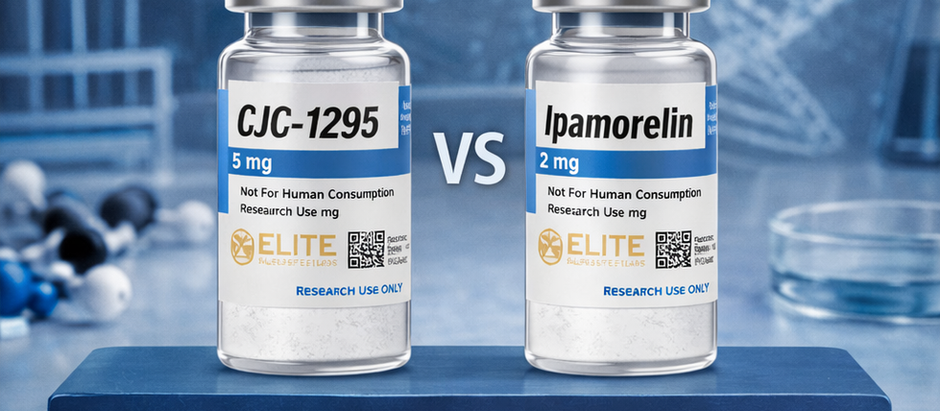
CJC-1295 and Ipamorelin are both peptides are referenced in research discussions related to growth hormone signaling pathways and peptide interactions within laboratory models.

Explore recent developments in peptide science and how researchers are studying new applications in biomedical and pharmaceutical research.
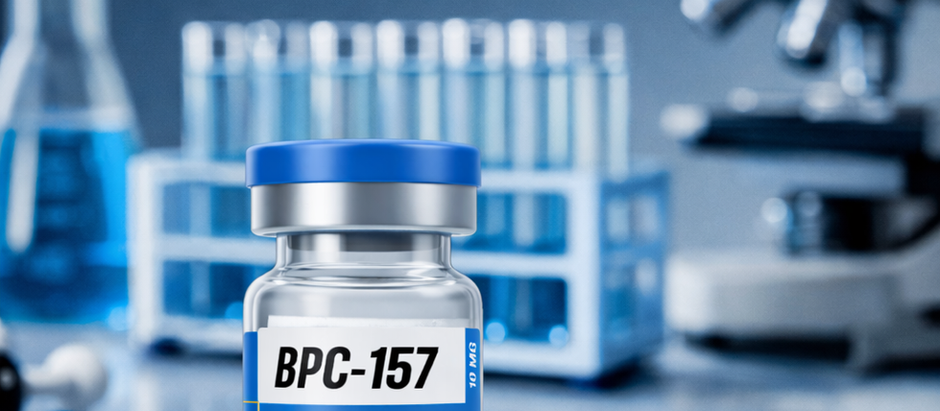
BPC-157 Research Guide Overview BPC-157 is a synthetic peptide that is frequently discussed within peptide research communities and laboratory studies.
